OrganoAsia 2025 [On-Demand]
About This Webcast
Webinar Introduction We are honored to extend an invitation to you for the upcoming event OrganoAsia 2025-The Frontier of Organoid Science. Organoids, as one of the most transformative innovations in biomedical research and personalized medicine, are advancing at an unprecedented pace, driving progress in areas such as fundamental research, drug screening, disease modeling, and precision medicine.OrganoAsia 2025 will bring together a world-class, interdisciplinary forum for academic exchange and industry collaboration on organoids, addressing the most pressing challenges and opportunities in the field. This exclusive event combines an online webinar to provide comprehensive insights into the rapidly evolving field of organoids. Details • Organoid Construction & Model Innovation • Drug Screening & Precision Medicine • Organoid Platform Technologies
Speakers
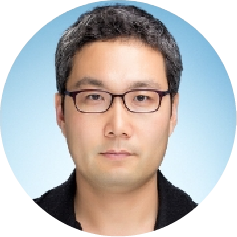
Ki-Suk Kim
Principal Researcher/Professor, South Korea , Korea Institute of Toxicology
Developing alternative toxicity testing models using stem cell-derived cardiomyocytes. After successfullytransferring an in-vitro cardiotoxicity model into industry, his research is in integrating tissue engineering approaches to develop advanced modeling platforms. With his research expanding into organoids andother 3D models, his goal is to enhance drug safety testing by creating more human and predictive in vitro models.
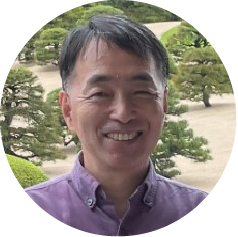
Yoh-ichi Tagawa
Associate Professor, Japan , Tokyo University of Science
Dedicated to developing and applying organ culture systems that leverage regenerative medicine and microfluidicdevice technologies. Research focuses on differentiating human induced pluripotent stem (iPS) cells into functional organs and tissues and exploring their applications. Also engaged in the development of tissue-mimicking culture systems using microfluidic platforms, particularly co-culture systems of bacteria and epithelial tissue to study drug metabolism and absorption dynamics.
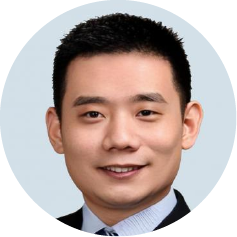
Liang Li
Associate Professor, China , SUSTech School of Medicine
Received his Ph.D. from NUS and conducted postdoctoral research at Singapore-MIT Alliance. Previously a PI at SIAT, CAS, his lab studies host-microbe interactions using organoids, animal models, and clinical samples, focusing on barrier protection and antibody/stem cell therapies. With extensive P3 lab experience, he has led COVID-19 research, developing novel diagnostics and therapeutics.
Jie Na
Associate Professor, China , Tsinghua University
Dr. Na earned Ph.D. in Cell Biology from the University of Virginia, conducted postdoctoral research atCambridge University, was awarded an MRC Career Development Fellowship, and joined TsinghuaUniversity in 2010. Her group investigates epigenetic and metabolic regulation during human pluripotent stem cell differentiation (cardiovascular/blood lineages), leverages 3D organoids to model human organdevelopment and congenital disorders, and develops iPSC-derived vascular cell therapies for ischemic diseases.