Secure by Default: If Your Linux® Base Isn’t Secure, Nothing Is
About This Webcast
You hear about many tools and techniques for securing systems, such as Zero Trust, mandatory access control and memory safe languages. Taking these and applying them to your system, however, can be daunting. Beyond the big ideas, you have hundreds or thousands of details to attend to for a secure system. For instance: Setting the system DNS and time must be secure and reliable. You must dynamically configure the system somehow. You probably need a secure and trusted boot setup and a hardware-backed root of trust. What about authentication control? Do you allow logins? What about passwords? How do you monitor the system to detect hacking attempts and even worse, breaches? What do you do if one happens? How do you work on a system like this during development and debug a locked down system in the field? How do you test the security of your system? The list goes on. MontaVista has worked in various areas of security for a long time. After bringing out our secure embedded Linux® distributions—CGX and MVShield—and configuration and certification service—MVSecure, we are working on a product to bring everything together into a single unified system. We will discuss the various challenges we have encountered during this process and all the practical solutions we have to implement for a complete, secure system.
Speakers
Corey Minyard
Principal Architect , MontaVista
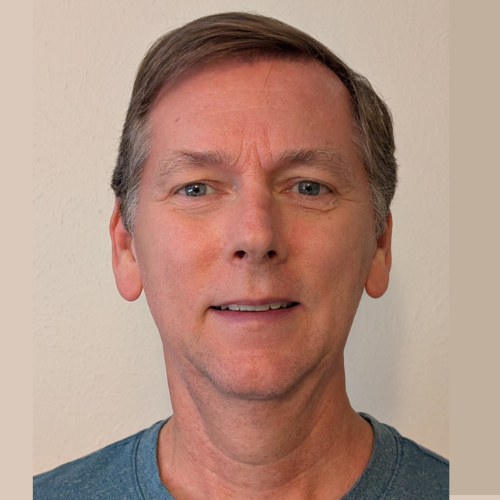
Corey has been using Linux® since version 0.01 and has seen it grow from a quirky hobby to a serious commercial operating system. He has spent 13 years at BNR/Nortel® in a variety of roles, working on everything from test tools to large-scale distributed systems—mainly focusing on low-level OS, hardware, kernel, DSP, protocols and control. He currently maintains the IPMI subsystem in the Linux kernel, the IPMI and I2C subsystems in QEMU, the OpenIPMI library, ser2net, gensio and a handful of other projects. His work at MontaVista involves leading their secure gateway team, hunting down tough kernel bugs, acting as a kernel gatekeeper and shaping product architecture. In his free time, he works with kids at church, plays guitar and Irish flute, and enjoys running and yoga. He is also a licensed ham radio operator, participating in emergency communications—someone who experiments with unusual ways to send digital information over the airwaves.