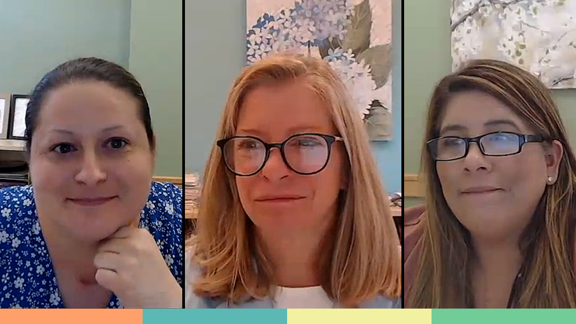
Advancing ARFID Treatment: Neurodiversity-Aligned CBT-AR and Nutrition Approaches
About This Webcast
Research increasingly shows that neurodevelopmental conditions, particularly autism and ADHD, co‑occur with Avoidant/Restrictive Food Intake Disorder (ARFID). As the field evolves, the focus is shifting from simply documenting prevalence to understanding how specific neurodevelopmental traits may shape ARFID presentations. This shift opens the door to mechanism‑informed and targeted treatment strategies. This presentation will provide an update on the empirical literature, highlighting how specific neurodevelopmental traits, such as sensory sensitivity, rigid thinking patterns, and interoceptive challenges, may be linked to ARFID symptoms in ways that matter for treatment. This session will outline adaptations to existing ARFID interventions, with a focus on applying core CBT‑AR principles in ways that align with neurodivergent learning styles and sensory profiles. Practical guidance will be provided on implementing cognitive‑behavioral strategies and nutrition‑focused approaches, supported by case illustrations demonstrating how tailored modifications can improve engagement and outcomes. Clinicians will leave with a mechanism‑based framework and concrete adaptations to strengthen assessment, case formulation, and treatment planning for neurodivergent individuals with ARFID. Educational Objectives: Following this presentation, participants will be able to… Describe how key neurodevelopmental traits are linked to ARFID presentations. Apply core CBT-AR principles and related cognitive-behavioral and nutrition-focused strategies using adaptations that align with neurodivergent learning styles. Identify the distinct and complimentary roles of the therapist and dietitian in delivering effective ARFID treatment within a multidisciplinary team.
Speakers
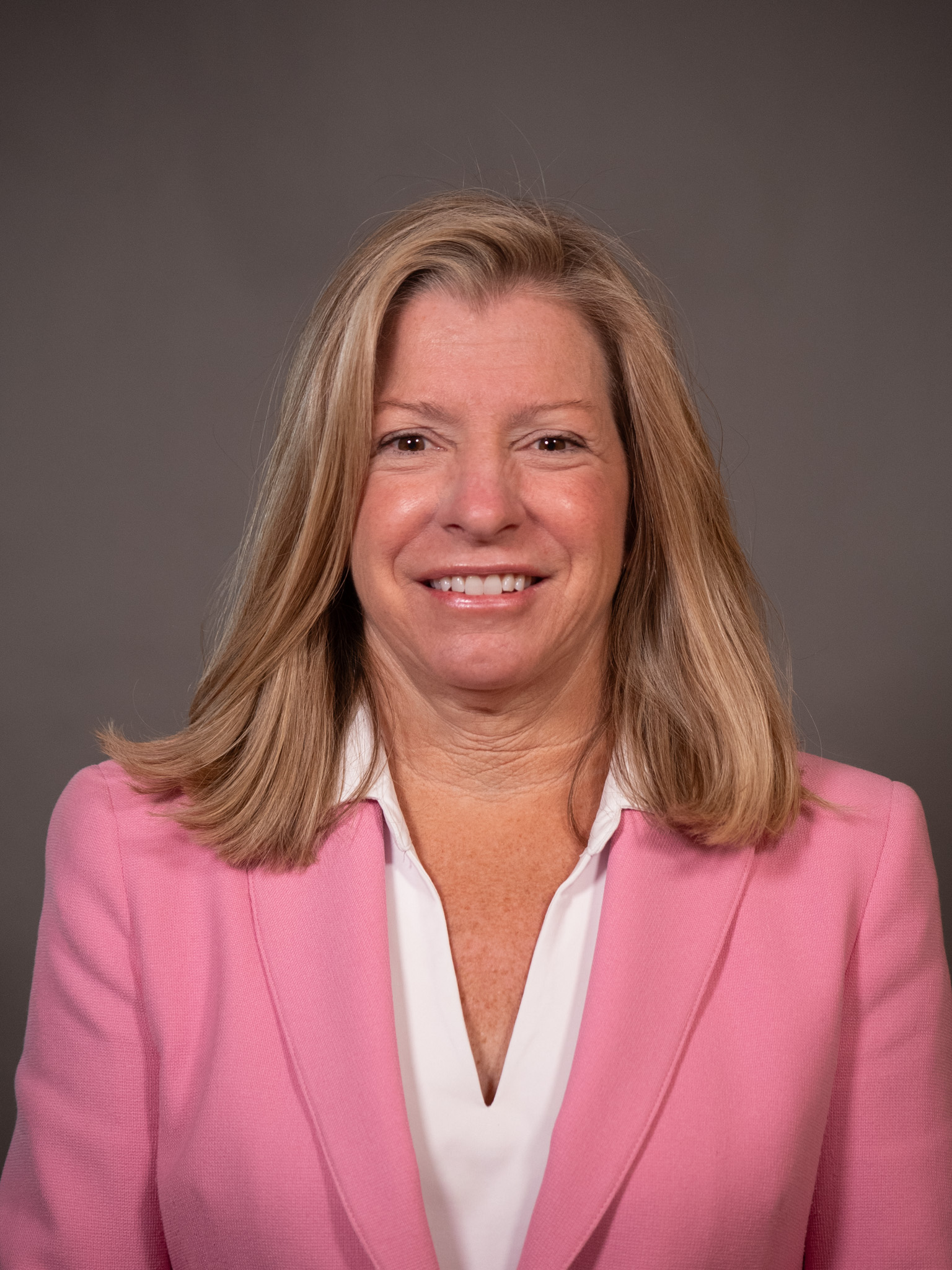
Kim Anderson, PhD, CEDS
Senior Director of Clinical Quality Outcomes , Eating Recovery Center | Pathlight Mood & Anxiety Center
Dr. Kim Anderson is the Regional Clinical Director of the East Region at Eating Recovery Center/Pathlight Mood and Anxiety Center. She currently oversees clinical programming at all Maryland, Illinois, and Ohio locations. Dr. Anderson is a licensed clinical psychologist who has focused her career on the treatment for individuals with eating, mood, and anxiety disorders. She has developed and directed Cognitive-Behavioral Therapy (CBT) Programs for eating disorders at all levels of care. Dr. Anderson’s research and clinical interests focus on empirically supported treatments for eating disorders, anxiety disorders, and PTSD. She provides individual and family psychotherapy and participates in the development of novel clinical research. Dr. Anderson has been caring for patients in the Baltimore area for 30 years.
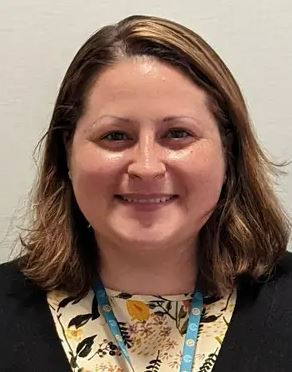
Caitlin Royster, RD, LDN
Nutrition Director , Eating Recovery Center
Caitlin Royster is the Nutrition Director at Eating Recovery Center Hunt Valley and Bethesda locations. She earned her BS in Nutritional Sciences from Cornell University and completed her dietetic internship with a concentration in clinical nutrition research at the National Institutes of Health Clinical Center. Prior to joining ERC Pathlight in 2020, Caitlin served as nutrition care coordinator for inpatient, PHP, and IOP programming at The Center for Eating Disorder at Sheppard Pratt. Her areas of specialization include family-empowered nutrition care for adolescent eating disorders and ARFID treatment in higher levels of care. Caitlin serves as a preceptor for local dietetic interns and is passionate about developing competent and caring eating disorder dietitians. She is a member of the International Federation of Eating Disorder Dietitians (IFEED).
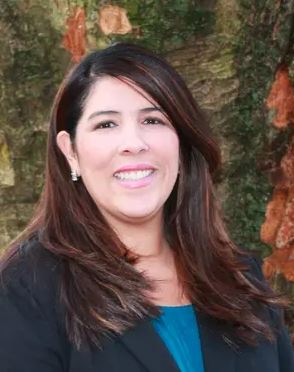
Irene Rovira, PhD
Executive Director , Eating Recovery Center Maryland
Dr. Rovira is a licensed clinical psychologist who provides evidence-based individual, group, and family treatment for eating disorders on an outpatient basis at Eating Recovery Center, Maryland. Dr. Rovira received an M.A. in developmental psychology from Teacher's College at Columbia University and a Ph.D. in the combined Clinical/School Psychology program from Hofstra University, New York. Dr. Rovira currently heads the training for the post-doctoral fellowship program, supervises mental health counselors and developing psychologists, and coordinates the psychological services provided in the partial hospitalization and intensive outpatient programs at Eating Recovery Center, Maryland.