
Protect Duty – liabilities for acts of terrorism
About This Webcast
The Terrorism (Protection of Premises) Bill 2024 was introduced into the House of Commons on 12 September. The draft bill, known as Martyn’s Law in honour of one who died in the Manchester Arena Bombing, imposes a duty on those who control certain premises or events to reduce the risk of harm from acts of terrorism. It adopts the flexible test of reasonable practicability, echoing the test in the Health and Safety At Work Act 1974. Although it does not create civil liability, when passed the Act is likely to influence the duty of care in negligence. This webinar will review the terms of the bill that are likely to be most relevant to liability insurers and their insureds, and consider their possible implications. Learning Outcomes: • The reasons for the bill, the principles underpinning it and its procedural history; • The industry sectors to which the Act will apply and how the duty will be imposed; • The role of the regulator, the Security Industry Authority, and its enforcement powers; • A summary of the law on reasonable practicability; • Possible future implications. Should you have any queries, do not hesitate to contact us at digitalevents@cii.co.uk
Speakers
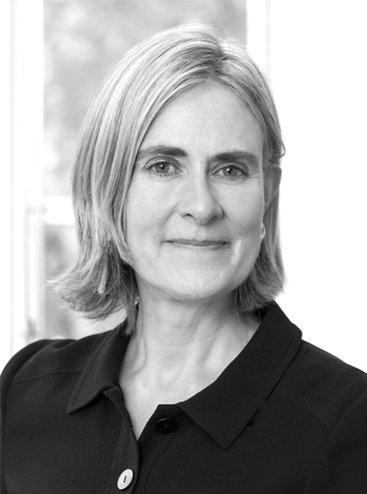
Mariel Irvine
Principal of Mariel Irvine Solicitors
After some years as a partner in an insurance litigation firm in the City, Mariel founded her practice at the suggestion of a client in 2002. She specialises in the defence of assault personal injury claims on behalf of insurers and Lloyds syndicates, and advises on related policy wordings, including “deliberate acts” exclusion clauses. Vicarious liability is frequently an issue in negligence and assault claims. Mariel wrote a Practical Guide to Vicarious Liability in 2018, published by Law Brief Publishing. The current edition of the Chambers and Partners legal directory describes her as “ a most personable and articulate individual who also tells us what we need to hear as opposed to what we want to hear.”