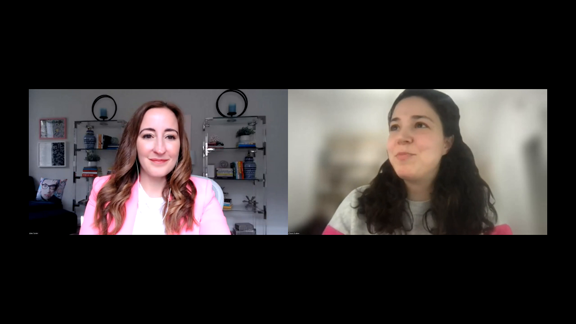
Celebrating Women's History Month with Alexandra Carter
About This Video
What if there were one leadership strategy that simultaneously helped organizations generate revenue, build more equitable teams and promote more personal happiness at work? And what if that strategy not only benefited other people, but also helped you rise in leadership? There is – and it’s called amplification. In the natural world, amplification refers to the process of making something louder. But in the workplace, amplification means elevating someone together with their ideas, contributions and experiences by speaking about them to someone else. When we amplify, we speak someone’s name and give them credit in specific ways that change them, our teams and ourselves – forever. In this interactive and empowering keynote, Professor Carter will teach participants the Amplification Formula, and the reasons why the most successful organizations in the world are powered by amplifiers. About Alexandra Carter Alexandra Carter is a Clinical Professor of Law and the Director of the Mediation Clinic at Columbia Law School. In 2019, Professor Carter was awarded the Columbia University Presidential Award for Outstanding Teaching, Columbia’s highest teaching honor. Her first book, Ask for More: Ten Questions to Negotiate Anything, was published by Simon & Schuster on May 5, 2020, and became an instant Wall Street Journal bestseller. Professor Carter’s teaching and research interests lie in the field of alternative dispute resolution, primarily in mediation and negotiation. She is a leading trainer on negotiation and mediation for the private and public sectors, including the United Nations, where she has conducted dozens of workshops for more than 80 nations; U.S. courts and federal agencies; private corporations such as Bloomberg, Comcast NBCUniversal, Amazon, and Microsoft; and a number of Am Law 100 law firms. Professor Carter received her Juris Doctor degree in 2003 from Columbia Law School, where she earned James Kent and Harlan Fiske Stone academic honors. She also won the Jane Marks Murphy Prize for clinical advocacy and the Lawrence S. Greenbaum Prize for the best oral argument in the 2002 Harlan Fiske Stone Moot Court Competition