Digital Disruption: Human Rights, Tech, and Reimagining Accountability
About This Video
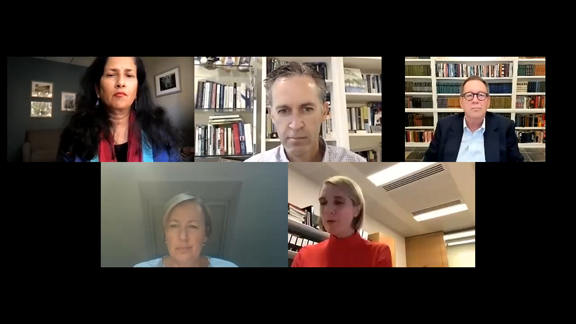
Digital technology companies have profoundly transformed society. Private technology has become an essential interface for the exercise of virtually all human rights. Predictive algorithmic technology and social media platforms can democratize access to and expression of essential economic, social, cultural, civil, and political rights. But these same technologies can violate these rights through privacy infringement, the dissemination of hate speech and subsequent undermining of democratic processes, unlawful surveillance, and algorithmic discrimination. International law provides a comprehensive framework for the protection of human rights, and the UN Guiding Principles on Business and Human Rights (UNGPs) made important progress in framing these standards in the context of corporate responsibility. How can international human rights law be used to reimagine and conceptualize private contributions and obligations in the expansive, and rapidly shifting, digital technology space? To what extent can, will, and should private digital technology companies shape international normative developments and discourse on human rights? Moderator Samantha J. Rowe Partner Debevoise & Plimpton Speakers Sushma Raman Executive Director, Carr Center for Human Rights Policy Harvard Kennedy School Steve Crown Vice President and Deputy General Counsel, Human Rights Microsoft Corporation Lene Wendland Chief, Business and Human Rights UN Human Rights (OHCHR) David Kaye Clinical Professor of Law University of California, Irvine